

Managing logistics in Paraguay is not just about shipping goods into the country. For most international companies, the real challenge is handling both inbound and outbound flows in a consistent and reliable way.
Imports and exports follow the same structural logic, but they behave differently in practice. Receiving goods requires tight control over documentation and customs clearance. Shipping out requires alignment with destination country requirements, origin certification, and timing.
The Paraguayan landscape
Paraguay sits at the center of South America, but without direct access to the sea. This shapes every import and export operation. Goods entering the country typically arrive through regional ports and continue inland via river or road. Goods leaving the country follow the same paths in reverse, often with additional requirements tied to destination markets.
This means that every shipment, whether inbound or outbound, is inherently multimodal. For companies operating locally, the key is not choosing a transport mode. It is designing a system that works in both directions.
Multimodal logistics
1. Ocean + river
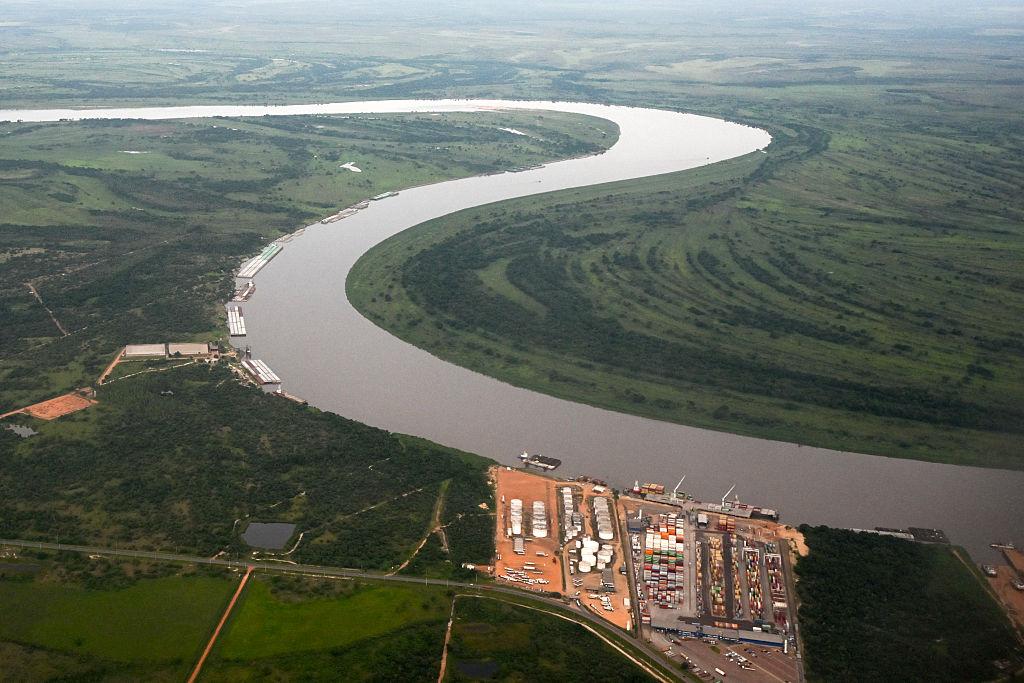
For international trade, the most common setup combines ocean freight with inland river transport.
Imports typically arrive at regional ports such as Buenos Aires, Montevideo, or Santos, then move upriver to terminals. Exports follow the same route in reverse, moving from inland terminals to ocean hubs before continuing globally.
This model offers cost efficiency and scalability.
However, planning is essential. River conditions, transshipment timing, and port congestion affect both import and export flows equally.
2. Road transport for regional trade
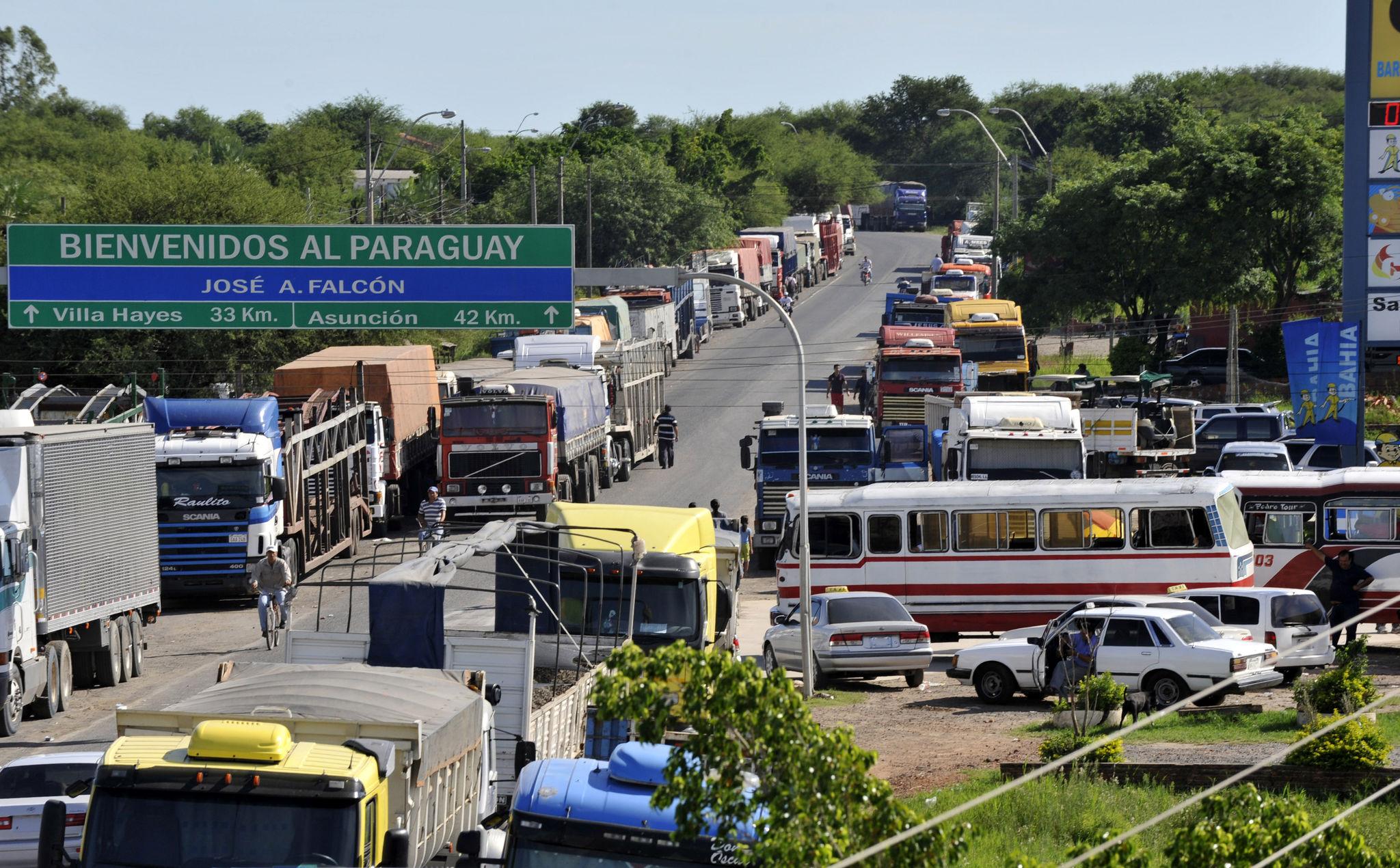
Road transport plays a central role in both receiving and shipping goods.
For imports, it ensures final delivery from ports or borders to warehouses and production sites. For exports, it connects Paraguayan facilities to regional markets and consolidation points.
It is particularly relevant for trade within Mercosur, especially with Brazil and Argentina.
Its strength is flexibility. Its limitation is variability. Border crossings, inspections, and operational conditions can impact timing in both directions.
3. Air freight
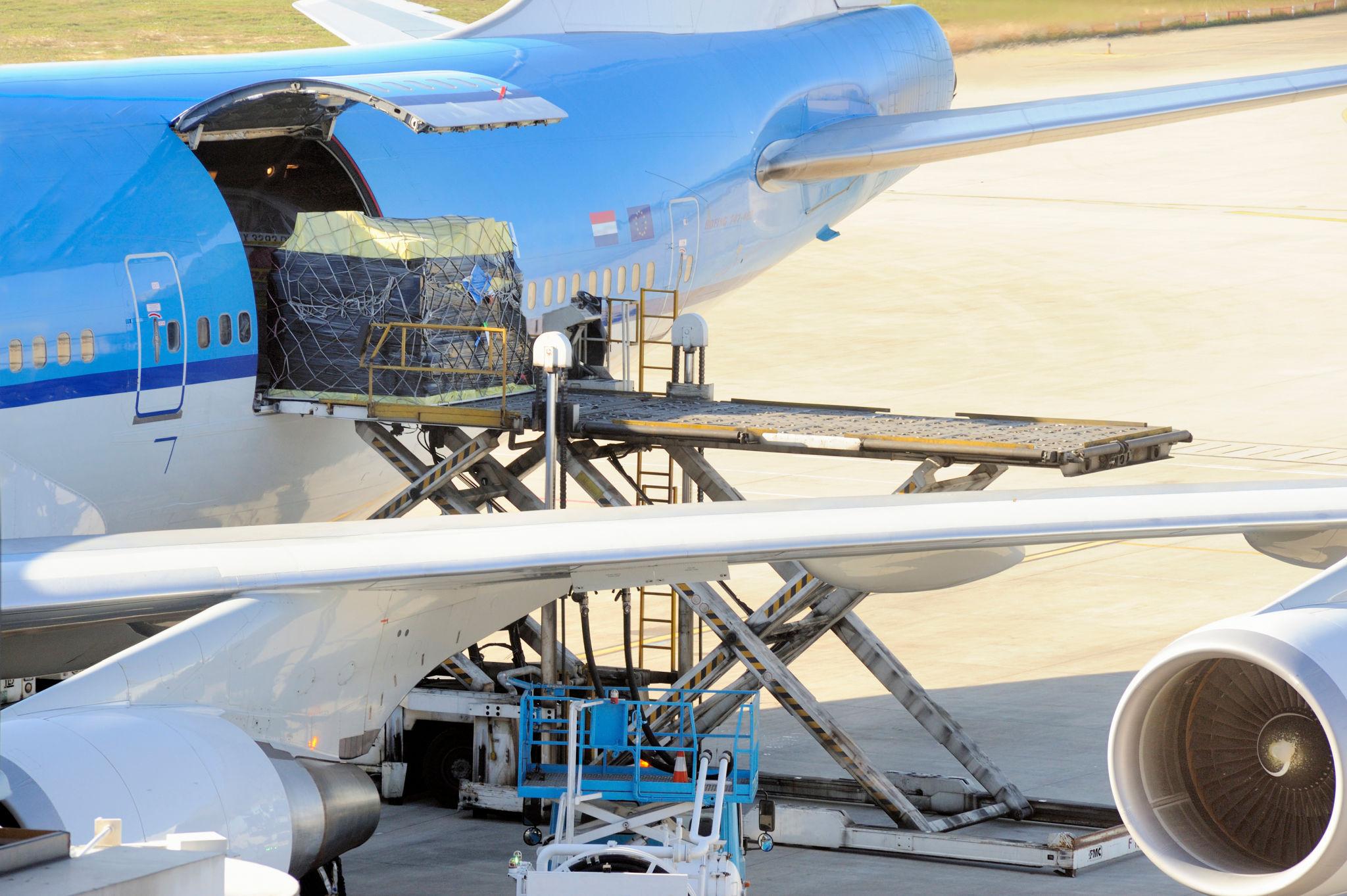
Air freight is used for both urgent imports and time-sensitive exports.
Inbound flows include high-value goods, spare parts, and pharmaceuticals. Outbound flows often include samples, perishable goods, or products with strict delivery windows.
The advantage is speed. The trade-off is cost. This makes air freight a strategic option rather than a standard channel.
Documentation and compliance
One of the most important aspects of operating in Paraguay is managing documentation correctly, both for imports and exports. The country has developed a more digital customs environment, where declarations, authorizations, and certifications are increasingly centralized.
For imports, this means ensuring that all required permits and data are aligned before arrival. For exports, it means preparing origin documentation, verifying destination requirements, and coordinating approvals in advance.
In both cases, inaccuracies can lead to delays, inspections, or additional costs.
Companies that succeed in Paraguay treat compliance as a core part of their logistics strategy, not just a formal requirement.
Duties and VAT
When the goal is to re-export from Paraguay, companies typically do not rely on standard import duties. Instead, they operate under special customs regimes that defer or eliminate taxes at entry.
Tools such as temporary admission, the maquila regime (for processing activities), and bonded warehouses or free zones allow businesses to bring goods into the country and re-export them without incurring import taxes, positioning Paraguay as an efficient hub for regional manufacturing and logistics.
The standard tax system only applies when goods enter the domestic market—whether for sale or internal use. In those cases, duties depend on the product’s customs classification (usually ranging from 0% to 30%), plus import VAT, generally set at 10% (or 5% for certain goods), and any applicable excise taxes on specific categories.
Incoterms: aligning responsibilities
In a system where goods move across multiple modes and borders, Incoterms play a crucial role.
For imports, they determine how much control the buyer has over transport and costs. For exports, they define the seller’s responsibilities and risk exposure.
Companies often choose:
- terms that allow them to control the main transport leg when optimizing costs and performance
- or more inclusive terms when simplifying operations is the priority
The key is consistency. Misalignment between buyer and seller expectations can create issues at any point in the chain, whether inbound or outbound.
Managing operational risks
The same structural risks apply to both imports and exports:
- river level fluctuations affecting transit times
- delays at border crossings
- documentation errors
- security considerations in certain regions
For inbound shipments, these risks impact delivery reliability and inventory planning. For outbound shipments, they affect customer commitments and delivery performance.
Mitigation strategies include time buffers, cargo tracking, strong partner selection, and appropriate insurance coverage.
Building a balanced logistics strategy
Companies that operate effectively in Paraguay do not separate inbound and outbound logistics. They integrate them.
This means:
- using the same transport networks for imports and exports when possible
- aligning documentation processes across both flows
- optimizing container usage and backhaul opportunities
- maintaining visibility across the entire supply chain
This integrated approach reduces costs, improves efficiency, and increases reliability.
Final thoughts
Working with Paraguay requires a shift from a linear view of logistics to a system-based approach. Companies that design their logistics with this in mind gain a clear advantage. In Paraguay, success in logistics is not just about moving goods in or out. It is about creating a system that works in both directions.
 Build your operations from Paraguay